
Dental Crowns: A Solution For Damaged Teeth
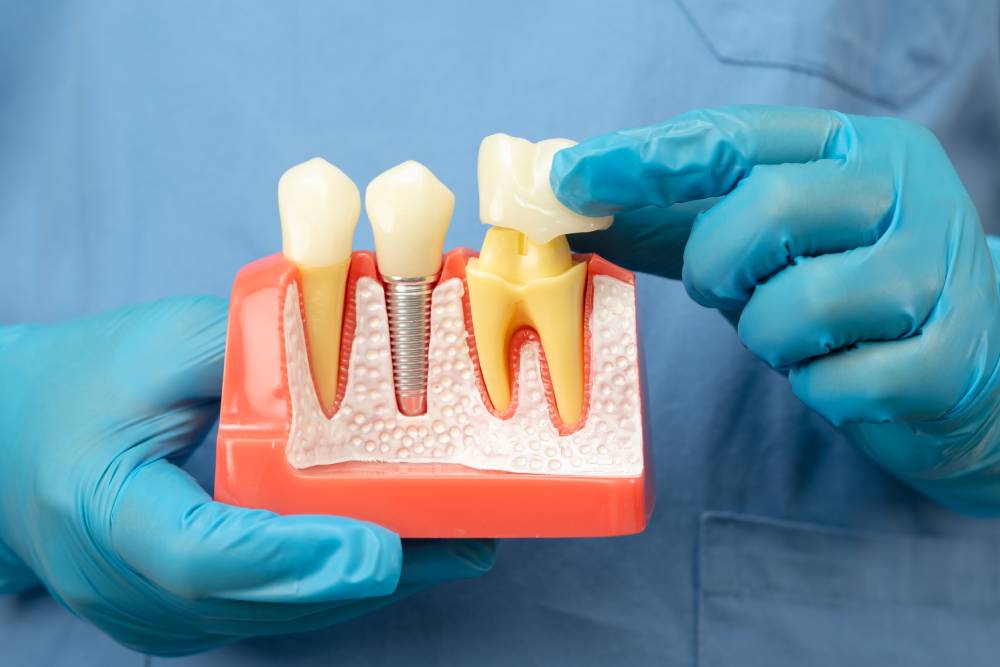
When a tooth becomes cracked, weakened, or heavily restored, simple fillings may no longer offer enough support. In these situations, dental crowns can rebuild strength while restoring natural shape and function. A crown acts as a protective outer layer that shields the remaining tooth structure and allows you to bite and chew with confidence again.
At Edgemont Dental Arts’ state-of-the-art office, we combine advanced materials and modern technology to deliver dental crowns in Montclair, NJ that look natural and feel comfortable from the moment they are placed.
What Are Dental Crowns?
Many patients ask, what are dental crown restorations and how do they differ from fillings or veneers? A dental crown is a custom-designed cap that fully covers the visible portion of a damaged tooth. It restores the tooth’s size, contour, and structural integrity while improving appearance.
Unlike a dental filling, which replaces a small section of missing tooth structure, a crown surrounds the entire tooth above the gumline. This full coverage design distributes biting forces more evenly and protects fragile enamel from further breakdown. When a tooth has lost significant structure due to decay, fracture, or root canal treatment, a crown often becomes the most reliable long-term solution.
Crowns are also used to complete dental implants. In those cases, the crown is the visible part that attaches to the implant and functions like a natural tooth. With proper design and placement, it blends seamlessly into your smile.
When Is a Dental Crown Recommended?
A dental crown may be recommended when a tooth no longer has enough healthy structure to support a traditional filling. Large cavities, cracks that extend through enamel, or teeth weakened after root canal treatment often require additional reinforcement.
Teeth that have undergone extensive wear from grinding can also benefit from crown coverage. Bruxism places repeated pressure on enamel and can flatten or fracture teeth over time. A crown restores lost height and protects the underlying tooth from further damage.
In cosmetic situations, crowns can improve shape, alignment, and color when other options may not achieve the desired result. Severe discoloration, irregular contour, or developmental defects sometimes respond better to full coverage restorations.
At our practice, we evaluate each case carefully. We use digital imaging and precise diagnostics to determine when a crown is the best approach and when a more conservative option may be suitable.
How Dental Crowns Strengthen Damaged Teeth
The strength of a crown lies in its ability to redistribute chewing forces. A weakened tooth without coverage may flex under pressure, which can lead to fractures or sensitivity. Once a crown is bonded in place, it acts as a protective shell that supports the underlying structure.
Modern adhesive techniques allow us to bond crowns securely to the prepared tooth. This creates a stable restoration that functions like a natural extension of your smile. By covering cracks and compromised enamel, the crown prevents bacteria from entering vulnerable areas.
This reinforcement helps patients chew comfortably again. It also reduces the risk of further damage, which can otherwise lead to extraction. Preserving your natural tooth remains one of our primary goals whenever possible.
What Are Dental Crowns Made of?
Patients often ask what dental crowns are made of and how materials differ in strength and appearance. Advances in dental science have led to highly durable and lifelike options.
Porcelain-fused-to-metal crowns combine a strong metal substructure with a porcelain exterior. This option balances durability and aesthetics, though the metal layer can sometimes show near the gumline over time.
All ceramic and porcelain crowns offer the most natural appearance. Materials such as lithium disilicate create translucency similar to enamel, making them ideal for visible teeth. They are metal-free and compatible with patients who prefer that approach.
Zirconia has gained popularity for its exceptional strength. It is a ceramic material known for resisting fracture while maintaining a natural look. Zirconia crowns can work well in both front and back teeth.
Metal crowns, including gold alloys, remain highly durable and gentle on opposing teeth. They are less common in visible areas due to their appearance but remain reliable for molars.
The Dental Crown Process in a Modern Office
Receiving a crown involves several carefully planned steps. First, we prepare the tooth by removing damaged structure and shaping it to accommodate the restoration. This preparation creates space for the crown to fit securely without altering your bite.
Digital impressions replace traditional putty molds in many cases. Advanced scanning technology captures a detailed three-dimensional model of your tooth. This enhances accuracy and patient comfort.
In some situations, we can complete certain restorations in a single visit using same-day technology. For more complex cases, a temporary crown protects the tooth while the final restoration is crafted in a dental laboratory.
Once the permanent crown is ready, we verify its fit, color, and bite alignment before bonding it into place. Precision matters at every stage to ensure long-term stability and comfort.
How Long Do Dental Crowns Last?
A well-designed and properly maintained crown can last for many years. Longevity depends on the material chosen, bite pressure, and oral hygiene habits. Ceramic and zirconia crowns are highly resistant to wear and fracture.
Daily brushing and flossing help protect the tooth beneath the crown and surrounding gum tissue. Regular professional cleaning allows us to monitor the restoration and address any concerns early.
Teeth grinding can shorten the lifespan of crowns if left unmanaged. In such cases, we may recommend a protective night guard to reduce excessive pressure.
When placed with precision and maintained appropriately, crowns remain a dependable solution for restoring compromised teeth.
Dental Crowns and Aesthetic Confidence
Beyond function, crowns play a meaningful role in cosmetic improvement. A damaged front tooth can affect speech, confidence, and overall facial harmony. By restoring contour and color, a crown can transform the appearance of a smile.
Our digital shade matching systems allow us to create restorations that reflect natural light similarly to enamel. This attention to detail ensures that crowns blend seamlessly rather than appearing artificial.
Patients often feel immediate improvement after crown placement. Eating, speaking, and smiling feel natural again. The psychological benefit of restoring a damaged tooth can be just as significant as the physical repair.
Dental Implants and Crown Integration
Dental crowns serve as the final step in implant restoration. When a tooth is missing, an implant replaces the root structure beneath the gumline. The crown attaches to the implant, completing the restoration.
Implant crowns are crafted with the same precision as tooth-supported crowns. They are designed to align properly with adjacent teeth and maintain healthy gum contours.
Our practice focuses heavily on implant dentistry. With ten years in practice and advanced training in implant procedures, we combine surgical expertise with restorative design. Painless implant placement and same-day work remain priorities within our office.
Comfort Focused Dentistry in Montclair
Modern dentistry no longer resembles the experience many patients remember from the past. At our office, we maximize technology to enhance convenience and comfort. Digital imaging, refined preparation techniques, and sedation options all contribute to a smoother visit.
Signs Your Crown Needs Replacement
Dental crowns are built for durability, but they are not permanent. Over time, normal wear, bite pressure, and changes in the surrounding tooth can affect their integrity. Recognizing early warning signs helps prevent more complex problems.
One common indicator is looseness. If a crown feels unstable or shifts slightly when you bite, the cement seal may have weakened. This can allow bacteria to enter underneath the restoration. Sensitivity or discomfort when chewing may also signal that the underlying tooth structure has changed or that the bite is no longer balanced.
Visible damage is another sign. Chips, cracks, or worn edges can compromise strength and aesthetics. In some cases, gum recession may expose the margin where the crown meets the tooth. When this area becomes visible, it may increase the risk of decay along the edge.
Persistent bad taste or inflammation around the crowned tooth can indicate bacterial buildup beneath the restoration. During routine exams, we evaluate the fit, margins, and surrounding tissue to determine if replacement is necessary. Early intervention preserves the tooth and maintains long-term stability.
Are Dental Crowns Right for You?
If you have a cracked tooth, extensive filling, or recently completed root canal therapy, a crown may protect your investment in long term oral health and overall well-being. Early evaluation allows us to determine the most appropriate path before damage progresses further.
Patients sometimes delay treatment due to uncertainty, but addressing structural problems early can prevent more complex procedures later. A professional dentist can help to review each case individually and explain your options clearly.
Schedule Your Consultation
If you suspect a tooth requires additional support, now is the time to act. Dental crowns restore strength, protect vulnerable teeth, and improve appearance in a single comprehensive solution.
At Edgemont Dental Arts, we combine state-of-the-art technology with a comfortable, friendly setting in Montclair. With ten years in practice and a strong focus on implant dentistry, we deliver advanced care designed around precision and patient comfort. Sedation options and same-day capabilities help streamline your experience from start to finish.
Contact our office today to schedule a consultation and learn how we can restore your smile with modern restorative techniques tailored to your needs.